The Well-Tempered Clavier, Book I · BWV 869
8 min
Recording
- Fugue in B minorKimiko Ishizaka, piano8:02
Kimiko Ishizaka plays the Fugue in B minor, BWV 869, the last fugue in Book I of The Well-Tempered Clavier. Its subject moves in semitones and uses all twelve notes of the chromatic scale, and the fugue is in four voices.
Listening notes · joins
- Fugue subject, alto
After a short rest, the alto begins F♯–D–B. Wide leaps connect pairs of notes a semitone apart. Before this long subject ends it has touched all twelve notes of the chromatic scale, and it closes on F♯.
- Subject in the bass
The bass states the subject in B minor, F♯–D–B again, now in the lowest voice. Above it the tenor descends B–A–G♯–F♯ in crotchets, and the alto plays a quicker line of dotted notes and semiquavers.
- Soprano entry of the subject
The subject reaches the highest voice after entries in alto, tenor and bass. Under the soprano’s F♯ minor answer, the bass plays a slower descending line in bars 13–16.
- Descending bass sequence, bars 17–20
The bass descends in a sequence of short four-note patterns. Above it, soprano and tenor imitate each other in a quicker figure, with notes tied across the beat. In bar 19 the alto plays the first three notes of the subject and then drops out.
- Subject in the alto
After the episode the alto brings back the complete subject, F♯–D–B, in B minor. Above it the soprano descends B–A–G♯–F♯ in crotchets, the same countersubject the tenor played in bar 10.
- Tenor entry in E minor
The tenor enters with the subject in E minor, beginning B–G–E. The bass plays E and then rests. Above, the soprano descends in slower notes while the tenor moves through the semitone pairs of the subject.
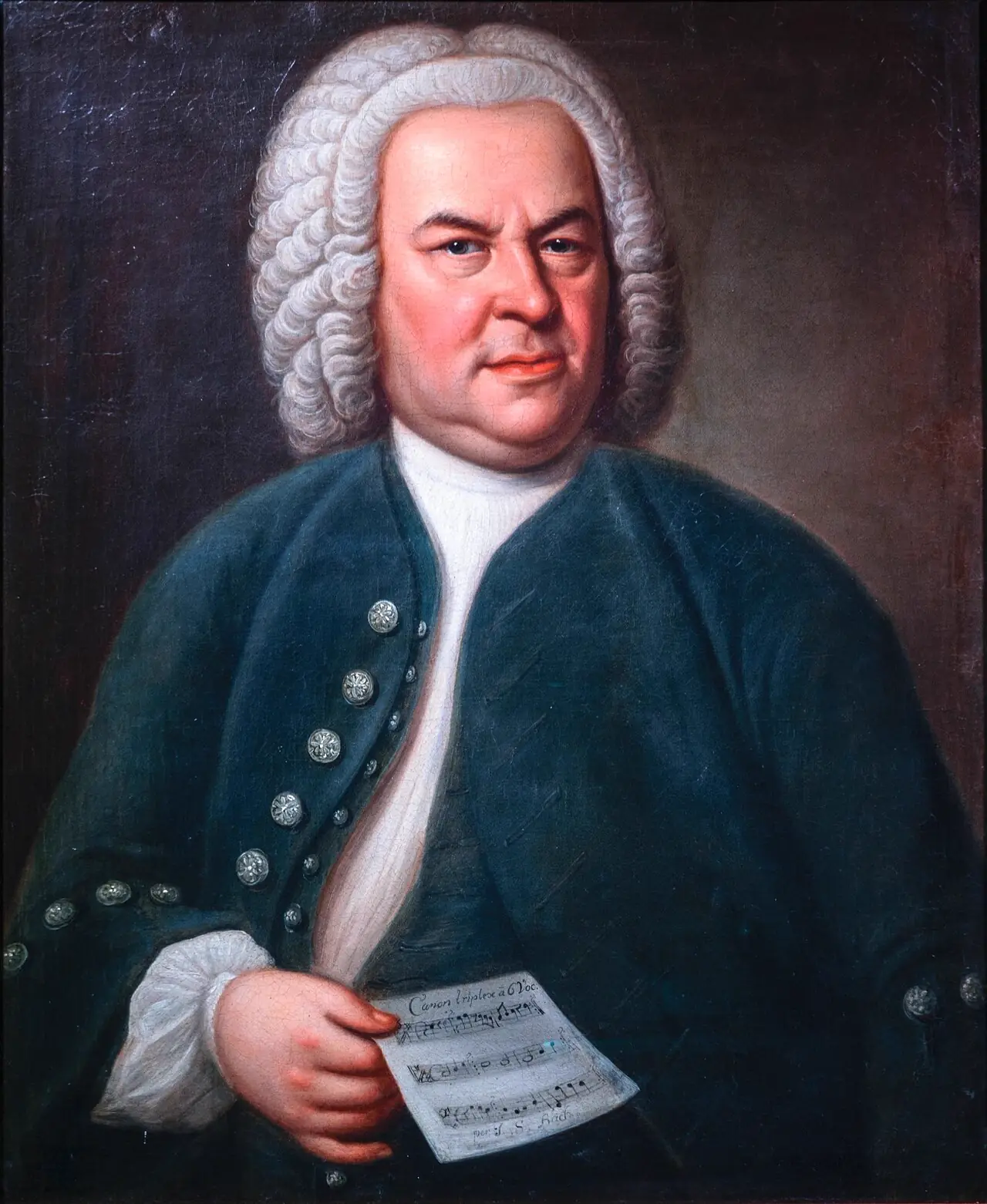
- Marriage to Anna Magdalena Wilcke, 1721
On 3 December 1721 Bach, then music director at the Köthen court, married Anna Magdalena Wilcke, a court singer there. In 1722, the year on the title page of Book I, he began looking for a new post.
- Stretto, four entries
The soprano begins in B minor, and a bar later the alto enters in E minor. The bass follows in A major, then the tenor in D major. Each voice enters before the previous statement of the subject has finished, an overlapping of entries called stretto.
- Tenor entry in F♯ minor
The tenor enters with C♯–A–F♯ and carries the subject into F♯ minor. Its continuation uses B♯ and F𝄪. Above it the soprano moves in longer notes.
- Tenor entry in B minor, bar 60
After the entries in F♯ minor and E major, the tenor begins F♯–D–B late in bar 60, back in B minor. Above it the soprano and alto continue with their tied notes and running figures.
- Episode without bass, bars 64–70
Soprano and alto exchange the episode’s quick figures in imitation. The bass rests, and the tenor plays the lowest line, stepping down in sequence through the small patterns heard earlier. The bass re-enters in bar 70.
- Dominant pedal on F♯, bars 74–75
In bars 74–75 the bass holds F♯, tied across the bar line, while the alto plays F♯–D–B, the opening of the subject, for the last time. The F♯ is a dominant pedal and postpones the arrival on B. Above it the soprano holds a suspended B, which resolves to A♯.
- Final chord in B major
The four voices end on a chord of B major, B–D♯–F♯, in bar 76. The D♯ replaces the D♮ of the home key. This raised final third is known as a Picardy third, and the chord is held under fermatas in the outer voices.
Joins
- Bass sequence under tied notes
After the soprano’s answer, the bass descends in repeated four-note groups. Above it, soprano and tenor alternate tied notes and semiquavers. The soprano’s E is held over a bass D and then resolves downwards. At the end of the sequence the bass moves from A♯ up to B, and the alto enters with the complete subject in B minor.
- D♯ leads the bass to E
The descending sequence in the bass ends on D♯, which rises to E, and the bass then stops. The tenor begins B–G–E, a complete statement of the subject in E minor, and the soprano plays the slower descending line that accompanies it. The tenor had already played three notes of the subject in bar 28.
- Running semiquavers lead towards F♯ minor
In bars 50–53 the D major entries lead into running semiquavers. The soprano climbs from D, and the alto follows with a similar figure from E. E♯ then appears in the alto and turns the harmony towards F♯ minor. The bass descends A–G♯–F♯ and stops. The tenor begins the next subject later in the same bar.
- Tenor takes the low line
In bars 64–70 the bass voice is silent and the tenor plays the descending sequence. Above it, soprano and alto exchange the tied notes from the earlier episode. The tenor’s final A♯ rises to B, and the tenor then plays a shortened statement of the subject in B minor. The bass enters underneath in E minor, and the two low voices overlap.
- The last chord turns major
The bass climbs chromatically to F♯ and holds it under the alto’s last subject fragment. The soprano’s B resolves to A♯ and rises to B as the bass moves F♯–B. In the alto, E falls to D♯. This raised third makes the final chord B major, held under a fermata.