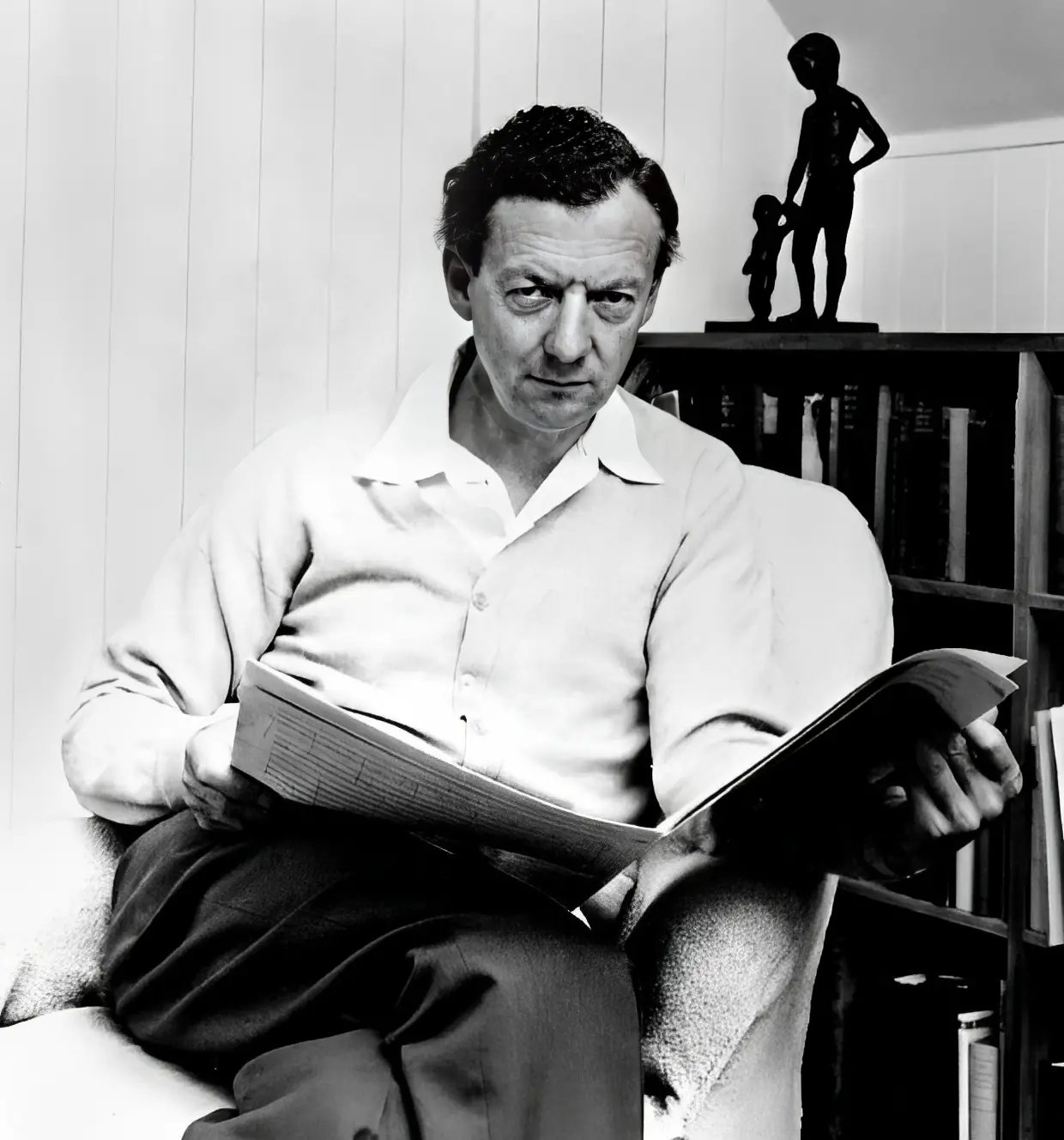
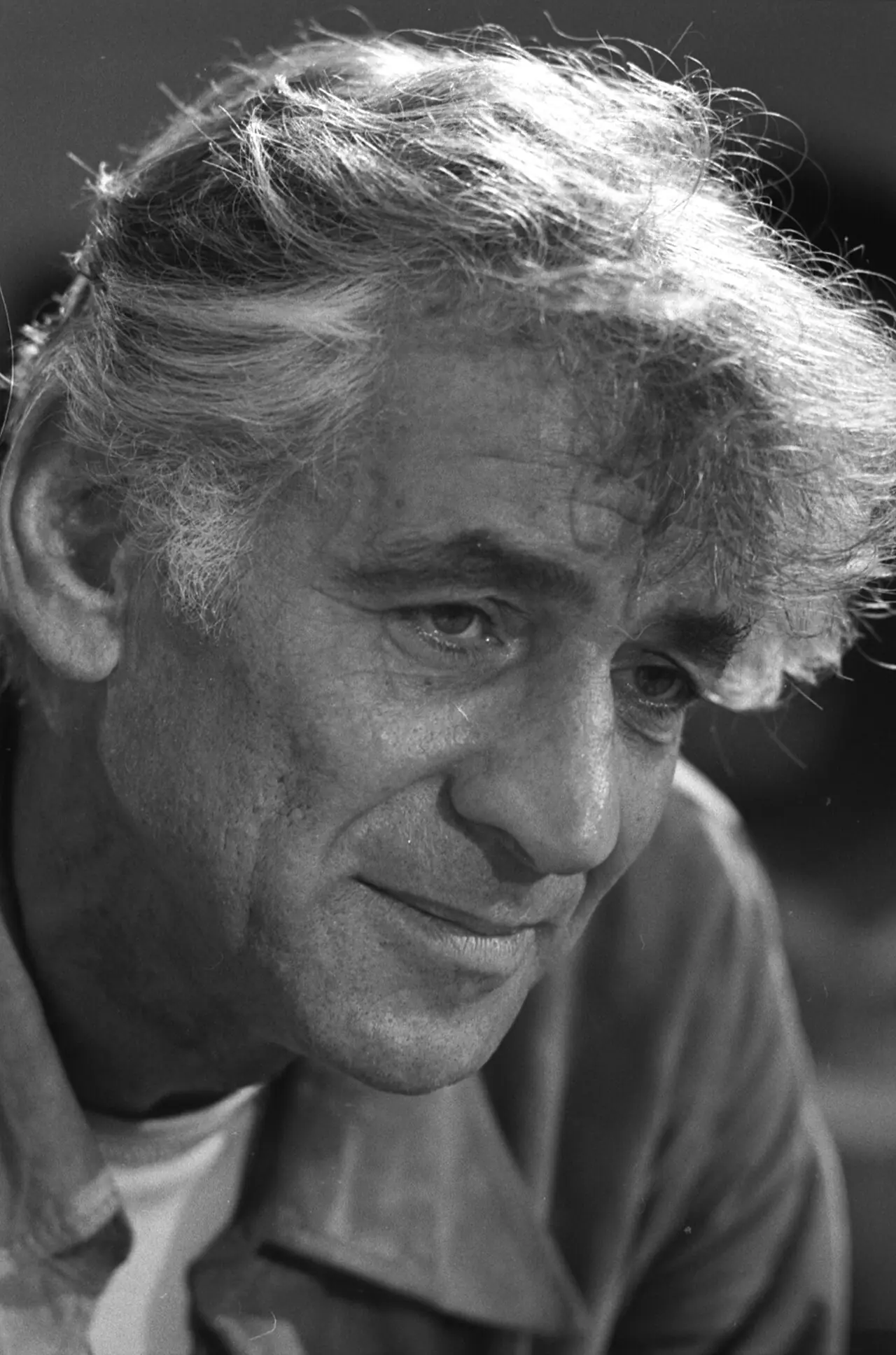
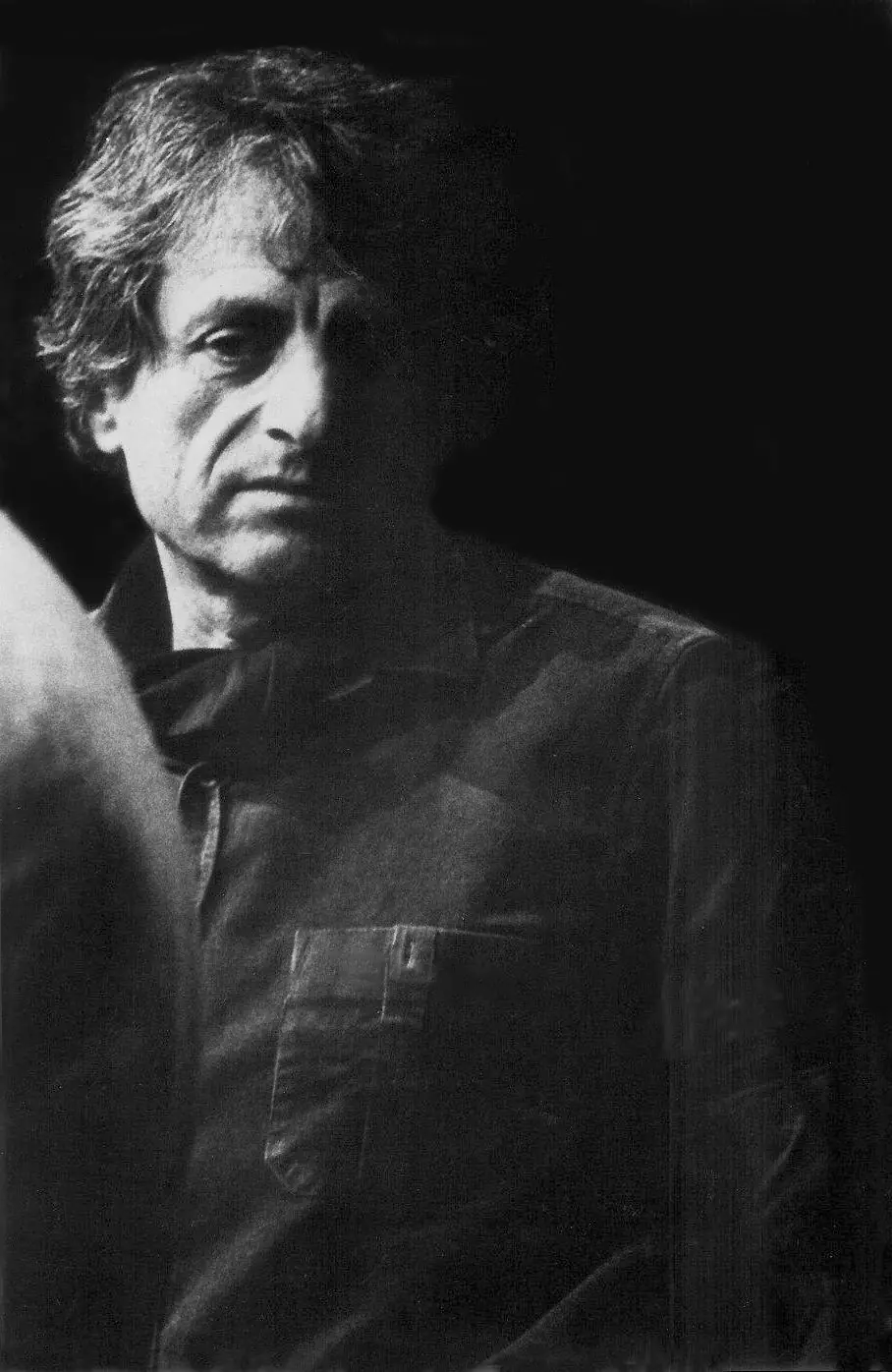
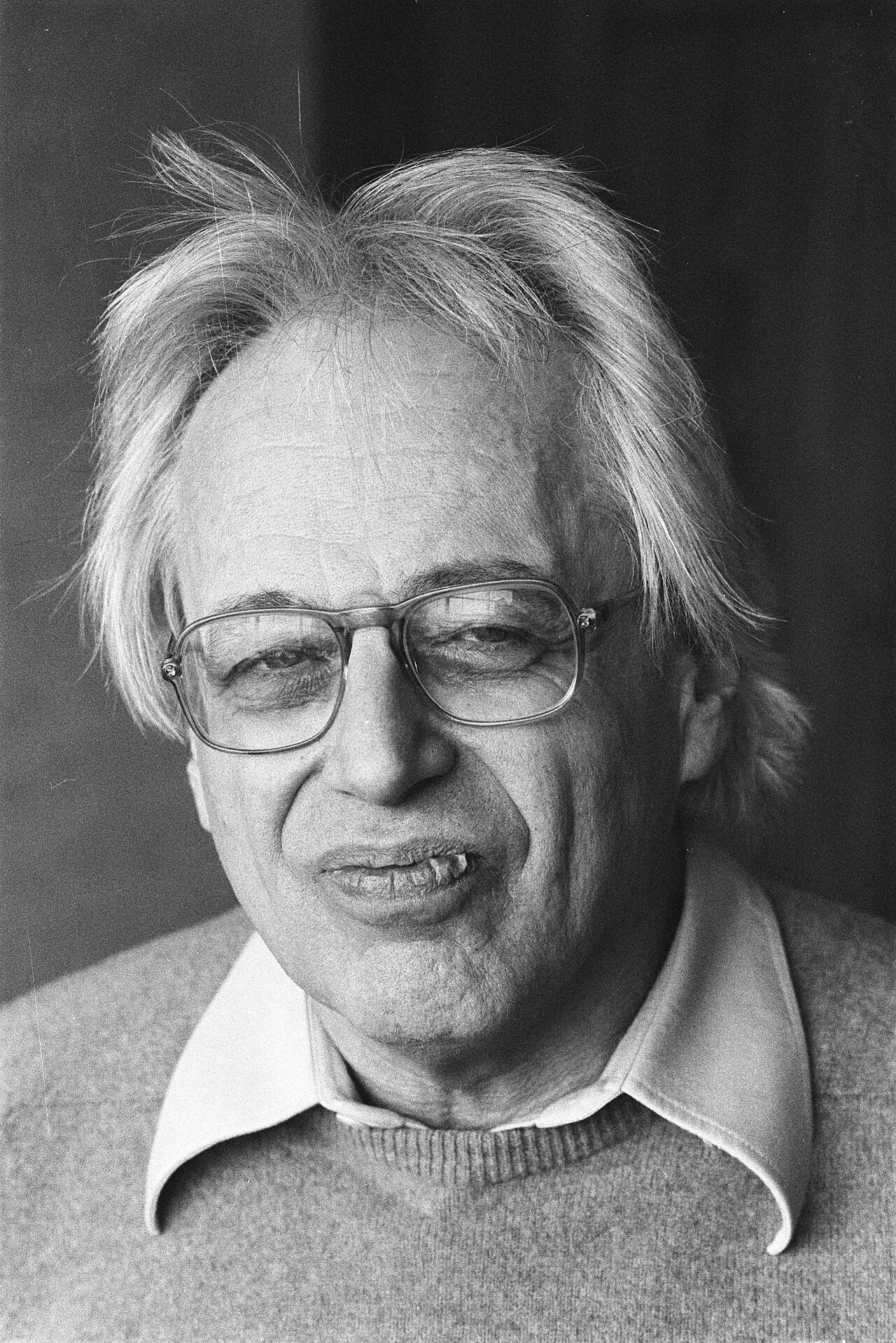
On 7 June 1945, Peter Pears sang the title role in Britten’s Peter Grimes at Sadler’s Wells in London. The fisherman faces an inquest over his apprentice’s death, and then the suspicion of a whole Suffolk village. The Borough has a chorus for its accusations, and Pears’s solo voice is set against the massed villagers. In the Act II Passacaglia, a solo viola plays above a seven-note bass that repeats throughout. The phrases of the variations do not begin and end with the statements of the bass. The orchestra carries the scene towards the death of a second apprentice.
The summer courses at Darmstadt began in 1946. Within a few years, the city was a meeting place for composers who wanted to extend serial ordering beyond pitch. In Messiaen’s piano study Mode de valeurs et d’intensités (1949), each pitch returns with its own allotted length, loudness and touch. Boulez took the first division of Messiaen’s pitch collection for Structures I, then subjected the piano’s other instructions to serial tables too. The notes jump across the keyboards, some struck hard, others barely sounded. Boulez and Messiaen played the first section together in Paris in May 1952.
Boulez also commissioned Messiaen’s Oiseaux exotiques (1955–56), which was first played in his Domaine musical concerts with Yvonne Loriod at the piano. The work is scored for solo piano with winds and percussion. A low oboe and clarinet play the nasal call of the prairie chicken, and the last piano cadenza sets the bobolink against the catbird in two-part counterpoint. In the middle of the work, snare drum and woodblock play rhythms drawn from Hindu and Greek music.
The studioMusique concrète, tape and spectralism
At French radio in 1948, Pierre Schaeffer made a composition from the sounds of a railway. His Étude aux chemins de fer rearranges recorded train sounds into recurring phrases. The early musique concrète studies used discs. A closed groove could hold a fragment and make it repeat, and a change of playback speed altered its pitch. With magnetic tape the loop became a physical object, a strip of tape joined end to end and played round again by the machine.
In Stockhausen’s Gesang der Jünglinge, a recording of a boy singing is combined with tones from electronic generators. Words from the Book of Daniel are heard clearly at some points and broken into fragments at others. Stockhausen layered recordings of the same boy’s voice to make a choir from one singer, and loudspeakers distribute the voices around the room. A vowel can merge with an electronic tone, and the next syllable is again recognisably sung by a human voice.
A single low E supplies the harmonic starting point for Gérard Grisey’s Partiels (1975). The ensemble builds chords from the components within a musical sound, called partials. In a harmonic spectrum their frequencies are whole-number multiples of a fundamental; some of the higher ones fall between the notes of a piano. Grisey wrote quarter-tones and smaller adjustments to reach them. In this spectral approach the players’ sounds fuse into a single invented instrument, and the chord then roughens towards noise.
IRCAM opened in Paris in 1977, bringing composers into the same institution as acousticians and computer researchers. For Lichtbogen (1986), Saariaho used its computers to analyse short cello sounds as they moved from a clear artificial harmonic into a complex multiphonic. She turned stages of that change in the bowed sound into chords for the ensemble. Her rhythms also came from computer calculations, which she transcribed into playable notation for nine musicians with live electronics.
The performerCage’s 4′33″, Woodstock, 1952
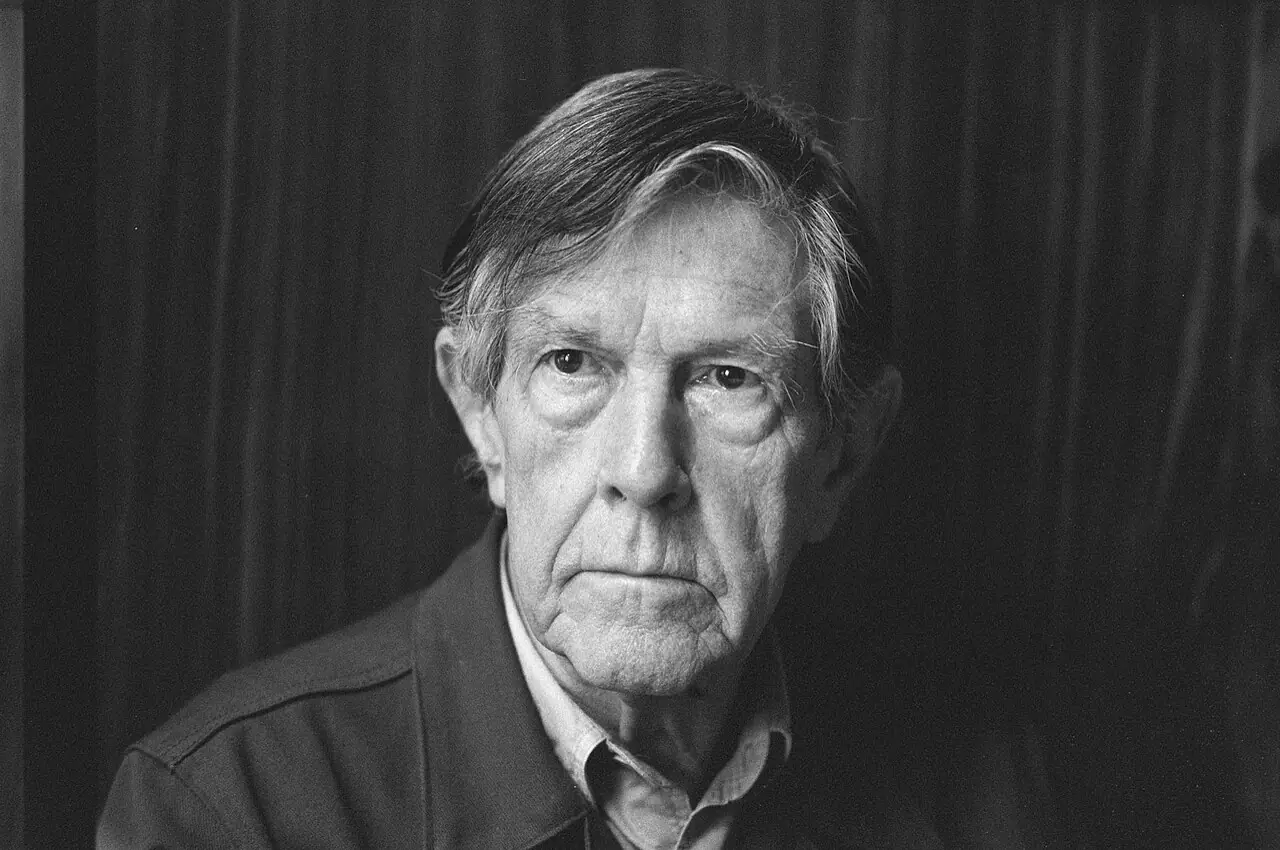
On 29 August 1952, at the Maverick Concert Hall in Woodstock, David Tudor performed John Cage’s 4′33″. He played no piano note in any of its three movements. What could be heard came from the audience and from the sounds around the hall. Cage had used chance differently in Music of Changes, composed the year before. He consulted the I Ching while deciding what to write, and the result was a fully specified piano part for Tudor, with the pedalling also written out.
Feldman was in Houston for the opening of the Rothko Chapel in 1971 when its donors asked him for a piece. Fourteen paintings filled the octagonal room. In his Rothko Chapel, the viola begins with a wide-ranging solo, punctuated by quiet timpani; wordless choral chords sound between the instrumental phrases. Near the end, the viola plays a melody he had written as a schoolboy, over a repeating vibraphone figure. His later music asked for much longer stretches of quiet. String Quartet No. 2 can last more than five hours.
Ligeti’s Atmosphères (1961) writes forty-eight string lines that together sound as one slowly contracting chord. Twenty-eight violins descend while twenty violas and cellos climb, all playing so softly that the separate melodies merge. The technique is known as micropolyphony, counterpoint packed so closely that no single strand stands out. The canon narrows from three and a half octaves to a minor third. In another passage double basses six octaves lower cut off high piccolos, and near the end the piano’s strings are brushed.
RepetitionMinimalism and tintinnabuli
Late in 1966, Reich recorded a short piano pattern, made a tape loop and tried playing against it himself, and found that a technique discovered with tape recorders could be done by hand. In Piano Phase (1967), two pianists begin with the same repeated phrase. One holds the tempo while the other speeds up a little and moves ahead until the notes lock into a new alignment. Each shift brings different notes together. In this strand of minimalism, the process of repetition determines the music. The players work through the offsets until they reach unison again, then change the pattern.
John Adams developed Shaker Loops (1978) with students at the San Francisco Conservatory. Seven string players repeat small figures, and rapid bow tremolos and trills supply the shaking of the title. The piece grew from a failed quartet, which Adams enlarged to give the sound more force. In 1987 his Nixon in China was staged at Houston Grand Opera, with a verse libretto by Alice Goodman and a production by Peter Sellars. A large replica of Air Force One brought Nixon, his wife and Kissinger onto the stage to meet a line of Chinese officials.
In Pärt’s Für Alina (1976), the piano’s two voices remain exposed. One moves through the scale; the other takes its notes from the B minor triad, B–D–F♯. This is tintinnabuli, in which a rule determines how the triadic voice accompanies the melody. The phrases grow by one note at a time and then contract. At one point the triadic voice touches C♯, outside the triad, and the pedal that has sustained the preceding sounds is released.
In Kurtág’s Játékok the whole palm falls onto the piano keys, and fists and elbows are used alongside the fingertips. These little games also include greetings and memorials to friends. György and Márta Kurtág made them part of their concert repertoire. In György’s Hungarian Radio recordings of 1978, each of the two Palm Stroke pieces lasts less than half a minute.
Gubaidulina learnt the bayan’s possibilities from Friedrich Lips. When she finished De profundis in 1978, she brought it to his class and played it to him on the grand piano. The work calls for clusters and sliding pitches on the button accordion, and for the sound of air passing through the instrument when the air button is pressed. Before Lips could play it in Scandinavia, he had to take the score to an official of the Soviet Ministry of Culture, who questioned him about its unfamiliar signs.
The third movement of Adès’s Asyla (1997), Ecstasio, brings a rave into the orchestra. Repeated beats build up in instruments that usually play symphonies. The score calls for six percussionists and two keyboard players, and one upright piano is tuned a quarter-tone flat. The percussion list includes a bag of metal knives and forks.
Britten and Pears built a public for new music as well as writing and performing it. The first Aldeburgh Festival opened in June 1948 with Arts Council help; Albert Herring was played at the Jubilee Hall and Saint Nicolas at the parish church. Britten also wrote for television. David Attenborough, then head of BBC2, commissioned Britten’s Owen Wingrave, about a young man refusing his family’s military profession. It was filmed at Snape Maltings and first broadcast on 16 May 1971.
In 1978, at Mills College in Oakland, Cage recorded a reading of Empty Words lasting about ten hours. He had taken his words from Thoreau’s Journal and broken them down across four parts, progressively removing the larger units of language. In the last part only letters and vocal sounds remain.
Terms of art
Integral serialism
Integral serialism applies ordered series to note lengths and other features of sound as well as pitch. In Boulez’s Structures I, the tables also govern the pianist’s touch, so that how hard each note is struck is part of the plan.
Indeterminacy
Indeterminacy leaves a specified choice open during performance. In Feldman’s Durations, the notes are written but the players choose their lengths. Cage’s Music of Changes uses chance earlier, during composition, and gives the pianist a fully written part.
Musique concrète
Musique concrète is music made from recorded sounds. Schaeffer’s Étude aux chemins de fer takes its sounds from trains; his early disc experiments repeat fragments through closed grooves and alter their pitch by changing playback speed.
Micropolyphony
Micropolyphony packs independent moving parts so closely together that they merge into a single changing sound. In Ligeti’s Atmosphères, a forty-eight-part string canon contracts into a narrow chord as the violins descend and the violas and cellos climb.
Phase shifting
Phase shifting gradually changes the alignment of a repeated pattern against a second copy. In Reich’s Piano Phase, one pianist briefly plays faster while the other holds steady. The same notes meet in new combinations as the parts move apart.
Spectralism
Spectral music builds its harmonies from the components within a sound. Grisey’s Partiels starts from the harmonic spectrum of a low E. An ensemble playing quarter-tones and smaller adjustments can use pitches that fall between the piano’s keys.
Tintinnabuli
Tintinnabuli pairs a scale-based melody with notes chosen from a single triad according to a rule. In Pärt’s Für Alina, that triad is B minor. Its notes B, D and F♯ may sound consonantly against the melody or form close dissonant intervals with it.
Extended technique
An extended technique changes the customary way an instrument is played. Ligeti has the piano’s strings brushed in Atmosphères; Gubaidulina writes for the sound of the bayan’s air button in De profundis.
In the score
Alignment and repetition · schematicSame pattern at four fixed offsets
Invented schematic for two pianos. The upper part repeats C–D–E–G. After the opening unison, the lower part starts successively on D, E and G, moving one quaver further round the cycle in each bar. Each jump holds a new combination for the length of a bar. In gradual phasing, one player briefly speeds up to reach the next alignment.
A triad and a scale · schematicTintinnabuli rule
Invented tintinnabuli schematic. The lower voice uses A natural minor; the upper voice takes the nearest note of the A minor triad strictly above each melody note. A is paired with C, B with C, and C with E. The rule produces both open thirds and close seconds, and at the second note B sounds against C.
Sister arts
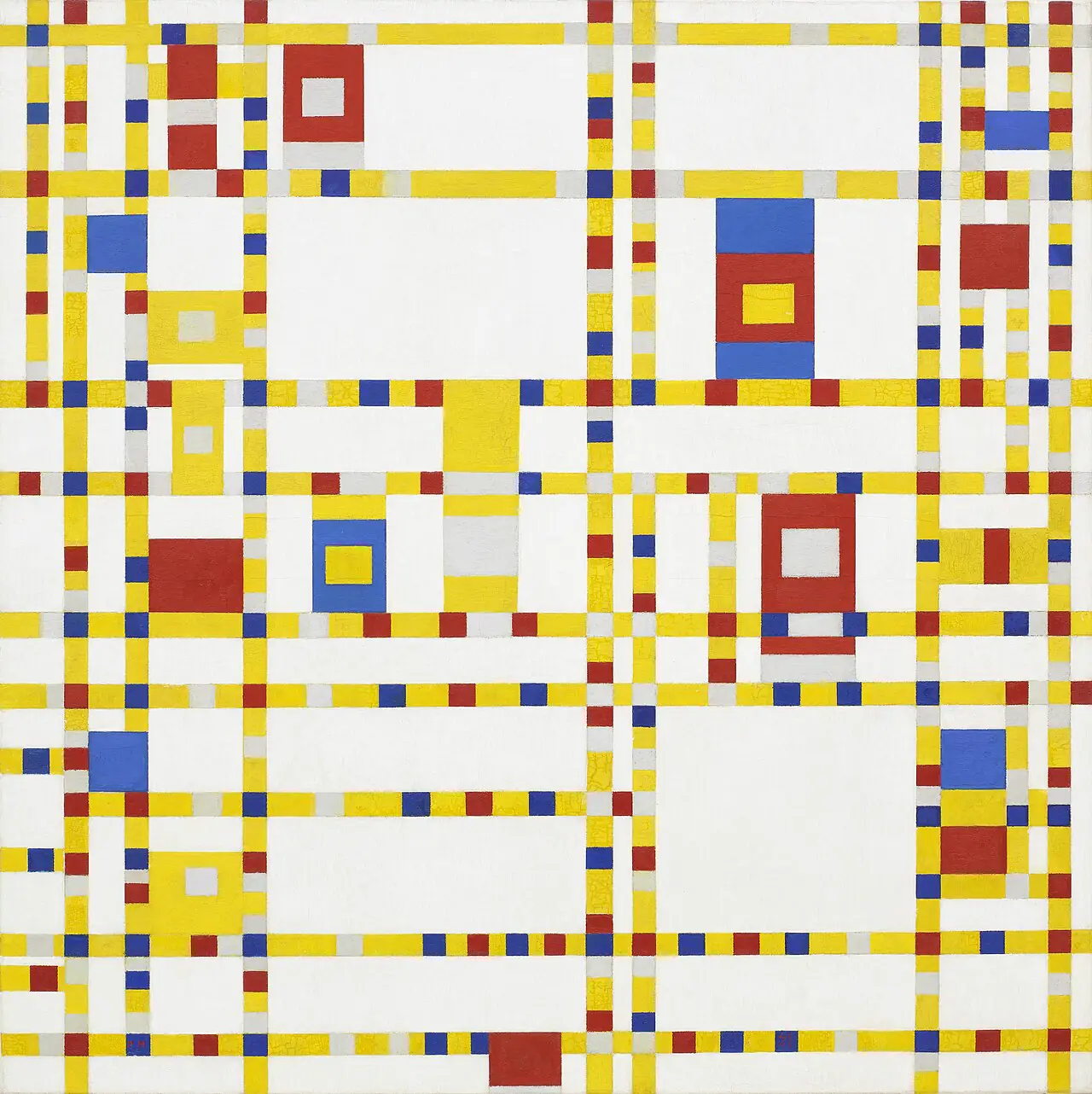
Piet MondrianBroadway Boogie Woogie, 1942–43Oil on canvas · Museum of Modern Art, New York
Mondrian arrived in New York in 1940 and grew fond of boogie-woogie. In Broadway Boogie Woogie, red and blue blocks interrupt the yellow grid; the black lines of his earlier paintings are gone. The small blocks are distributed across a fixed framework. Reich’s Piano Phase uses a similarly small stock of notes, whose shifting positions produce new combinations.
Henry David Thoreau
Walden — from “Sounds”
1854
EnglishI did not read books the first summer; I hoed beans. Nay, I often did better than this. There were times when I could not afford to sacrifice the bloom of the present moment to any work, whether of the head or hands. I love a broad margin to my life.
In Walden, Thoreau followed these words with an account of a morning spent in his doorway, from sunrise to noon, while birds sang around the house. Cage used another of his books, the Journal, for Empty Words (1974). Across its four parts he removed first sentences, then smaller units of language, until only letters and sounds were left for the voice.
Philipp Vandré, prepared piano · Mode 50 · 1994, Frankfurt
A good first recording of the work, which consists of sixteen sonatas and four interludes. Forty-five notes of the piano are prepared, producing a range of small percussion sounds. Vandré plays a small Steinway O with carefully chosen preparations, on an intimate scale; the label’s useful notes explain how the instrument’s string lengths affect the preparations.
Cage’s chance operations produced four books of precisely written piano music, made up of sharp attacks, silences and sounds made inside the instrument. The recording is recommended for the sudden attacks and abrupt silences of the score; Joste plays the complicated notation with physical force, and the disc places the work between Seven Haiku and the Suite for Toy Piano.
Orchestra Sinfonica Nazionale della RAI, Turin; Arturo Tamayo · Mode Records, mode 299 · Live, 2008
The first recording of the original version of Metastaseis, scored for sixty-five players with fifty-two string parts. The version played in 1955, listed by Boosey & Hawkes as version B, has forty-six. Boosey & Hawkes’s video plays this performance over the publisher’s score. The Mode disc, released in 2017, also holds Terretektorh and Nomos Gamma, recorded live at the 2011 Holland Festival in Amsterdam by the Residentie Orkest of The Hague, with the orchestra dispersed among the audience.
Forty-six divided strings, two trombones and a percussionist. Xenakis’s note for the work lists glissandi, pizzicati, col legno and blows on the bodies of the instruments. The orchestra’s YouTube channel carries this track from the 2008 Timpani release, volume 5 of its Xenakis orchestral series, which also holds Metastaseis, ST/48, Achorripsis, Syrmos and a suite drawn from the music for Hiketides.
Wiener Philharmoniker; Claudio Abbado · Deutsche Grammophon · 1988
The divided strings move in opposite directions until their separate lines fuse into a slowly changing chord. Abbado conducts the Vienna Philharmonic in Atmosphères and Lontano on the Wien Modern album, beside Boulez’s Notations and music by Nono and Rihm. He keeps the orchestral texture lean enough for individual lines to be heard, and the recording is a good choice for the changing inner detail.
Danny Driver, piano · Hyperion · 28–30 October 2019, St Silas the Martyr, Kentish Town, London
Désordre puts the right hand on the white keys and the left on the black, and the accents in the two hands move out of alignment. Driver’s single-disc recording includes all eighteen studies, from Désordre to Canon.
Kim Kashkashian (viola), Sarah Rothenberg (celesta), Steven Schick (percussion), Lauren Snouffer (soprano), Sonja Bruzauskas (mezzo-soprano), Houston Chamber Choir, Robert Simpson (conductor) · ECM New Series 2378 · February 2013, The Brown Foundation Performing Arts Theater, Asia Society Texas Center, Houston
Feldman wrote this music for the chapel in Houston that houses Mark Rothko’s paintings. Kim Kashkashian plays the viola part against the choir, and Steven Schick keeps the percussion distinct, on an album released in 2015 that recreates the programme of the chapel’s fortieth-anniversary concert and also includes works by Satie and Cage.
The piano stays very soft, its damper pedal held down while short phrases recur across seventy-two minutes. Hamelin controls his touch closely, changes the tone by small degrees and keeps the rhythm firm. The Wyastone recording, released in 2017, leaves room for the piano’s decay to be heard.
György Kurtág and Márta Kurtág (piano) · ECM New Series · July 1996
These miniature piano games include palm-strokes, a peal of bells for Stravinsky and homages to friends. György and Márta Kurtág recorded this selection for two and four hands in Vienna, interleaving it with four of his Bach transcriptions; some of the short pieces are abrupt, and both players share one keyboard.
Juliane Banse (soprano); András Keller (violin) · ECM New Series · September 2005
Forty pieces for soprano and violin set fragments of Kafka’s diaries, letters and other writings, some lasting only seconds, though a few seconds of speech can open into a scene several minutes long. Banse changes vocal colour from fragment to fragment; Keller, who advised Kurtág on the violin writing and played the première, gives the violin a part equal to the voice. Both recorded the cycle with Kurtág at the sessions.
Gidon Kremer (violin), Boston Symphony Orchestra, Charles Dutoit (conductor) · Deutsche Grammophon 427 336-2 · April 1988, Symphony Hall, Boston
This violin concerto takes Bach’s royal theme apart, removing notes from each end; after the violent middle section the theme is rebuilt and stated backwards at the close. Kremer, the dedicatee, plays with great intensity, and Dutoit keeps the changing instrumental groups distinct, in the recording that won Gubaidulina the 1989 Koussevitzky International Recording Award.
Boris Pergamenschikow (cello), Elsbeth Moser (bayan), Münchener Kammerorchester, Christoph Poppen (conductor) · ECM New Series 1775 · January 2001, Himmelfahrtskirche Sendling, Munich
Cello, bayan (the Russian button accordion) and strings set Christ’s last sayings from the Cross. Moser and Pergamenschikow blend the two solo instruments against the strings of the Munich Chamber Orchestra.
Gidon Kremer and Tatjana Grindenko (violins); Alfred Schnittke (prepared piano); Lithuanian Chamber Orchestra; Saulius Sondeckis (conductor) · ECM New Series · November 1977, live
Two solo violins lead this double concerto through eight variations before the slow “Silentium”, in which the voices move at different speeds. Kremer and Grindenko, the violin soloists at the première, are joined by Alfred Schnittke on prepared piano on the album that launched ECM’s New Series, released in 1984. It is the recording to start with, and Kremer and Keith Jarrett’s Fratres opens the same album.
Vladimir Spivakov (violin); Sergej Bezrodny (piano) · ECM New Series · July 1995
The violin’s phrases lengthen above three-note piano arpeggios, returning each time to A. Spivakov, the work’s dedicatee, and Bezrodny open the album Alina with this version, recorded in Frankfurt’s Festeburgkirche with Pärt and Manfred Eicher present. The 1999 album has two works, with Alexander Malter’s long performances of Für Alina between three accounts of Spiegel im Spiegel; Malter and Dietmar Schwalke are the other players.
Steve Reich Ensemble; Steve Reich (piano, marimba) · ECM Records · 1976
Eleven chords support a steady beat from pianos and mallet instruments, while voices and clarinets phrase by the length of a breath. Reich played piano and marimba on his ensemble’s 1976 New York recording, released in 1978, and James Preiss played the metallophone signals that move the group from one section to the next. It remains the recording to start with.
Kronos Quartet (David Harrington, John Sherba, Hank Dutt, Joan Jeanrenaud) · Nonesuch · 1988
Strings imitate the recorded speech of Reich’s governess, a Pullman porter and three Holocaust survivors, against train sounds from America and Europe. Kronos recorded the work in San Francisco before giving its première in London in 1988. The 1989 album, the first recording of both works, couples it with Electric Counterpoint, which Pat Metheny recorded in New York in 1987; each sets live players against recordings of themselves.
Philip Glass Ensemble, Michael Riesman, conductor; Paul Zukofsky, violin · Tomato; CBS Masterworks (now Sony Classical) · Big Apple Recording Studios, New York, 1978
The first recording of the opera, abridged by Glass to four LPs; the CBS Masterworks set is dated 1979. Zukofsky is the violinist in the part dressed as Einstein. Glass’s sleeve note says that the most important musical material appears in the knee plays and features the violin. By his account the 1993 Nonesuch recording runs about 190 minutes against some 160 in 1978.
Philip Glass Ensemble; Michael Riesman, conductor; Philip Glass, electric organ · CBS Masterworks (now Sony Classical) · Green Street Recording, New York
Glass’s first album for the label, issued in 1982, with six pieces written for the recording studio. In the published score Opening is for solo piano and Façades for two soprano saxophones, viola and cello, with an optional synthesizer. Glass’s note says the music was meant to introduce his work to a more general audience, and Gramophone called it “an excellent introduction”.
San Francisco Symphony; Edo de Waart · Nonesuch · 1985
The repeated E minor chords that open the work came from Adams’s dream of a supertanker lifting off San Francisco Bay. Edo de Waart and the San Francisco Symphony recorded it three days after the première, with the original ending, which Adams later revised.
Sanford Sylvan, James Maddalena, Thomas Hammons, John Duykers, Carolann Page, Trudy Ellen Craney; Orchestra of St. Luke’s; Edo de Waart · Nonesuch · 1987
Alice Goodman’s libretto, in verse couplets, sets Nixon’s 1972 visit to China. James Maddalena sings Nixon and Sanford Sylvan sings Chou En-lai in this original-cast recording, conducted by Edo de Waart and supervised by the composer, made in December 1987 and released in 1988. Maddalena’s Nixon is excitable and Sylvan’s Chou reflective; it is still the first choice for the words.
Avanti! Chamber Orchestra; Hannu Lintu · Ondine · 2001
The work, for nine musicians and live electronics, grew from a cello harmonic breaking into noise. Hannu Lintu conducts Avanti! in a programme that places this early electronic work beside the chamber version of Graal théâtre.
Graal théâtre (chamber version)1994; chamber version 1997
John Storgårds, violin; Avanti! Chamber Orchestra; Hannu Lintu · Ondine · 2001
The violin concerto pairs a lyrical Delicato with a fierce Impetuoso. John Storgårds plays Saariaho’s chamber version with Avanti!, the orchestra he led, under Hannu Lintu.
London Symphony Orchestra; Thomas Adès · LSO Live · 2016
Asyla calls for six percussionists and treated pianos; Ecstasio, its third movement, takes its pulse from techno. Adès conducts the London Symphony Orchestra in the live Barbican recording, paired with Tevot and Polaris.
Simon Keenlyside (Prospero), Cyndia Sieden (Ariel), Ian Bostridge (Caliban), Kate Royal (Miranda), Toby Spence (Ferdinand); Orchestra and Chorus of the Royal Opera House, Covent Garden; Thomas Adès · EMI Classics / Warner Classics · 2007
Meredith Oakes recast Shakespeare in short, rhyming lines, and Ariel is written for a high soprano. The composer conducts Simon Keenlyside and Cyndia Sieden, the original Prospero and Ariel, in Covent Garden’s 2007 revival, released in 2009. It is the recommended audio recording, with Keenlyside’s troubled Prospero, Sieden’s agile Ariel and a balance that keeps Oakes’s words audible over the orchestra.