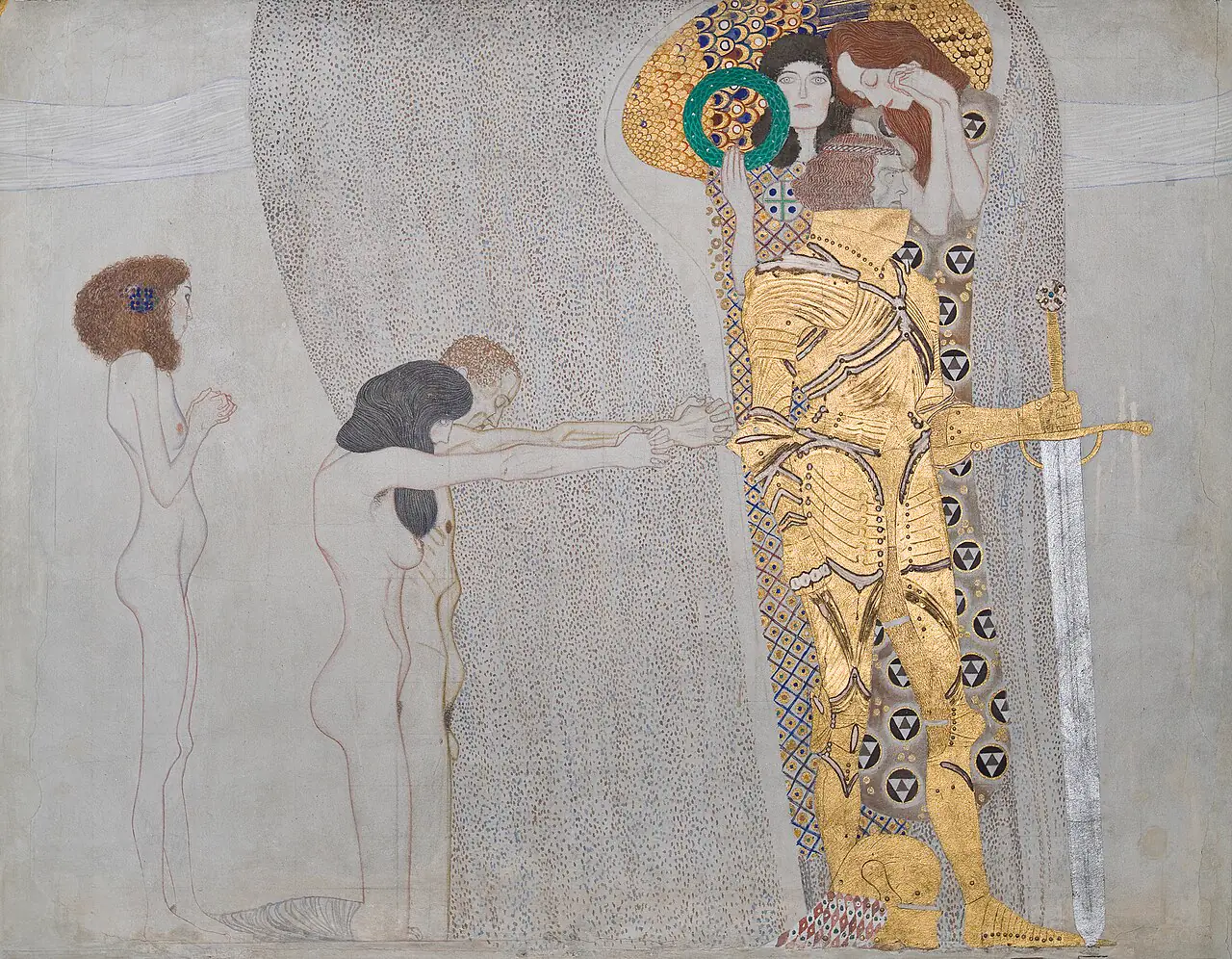
Gustav KlimtBeethoven Frieze: The Well-Armed Strong One, 1901–02 Secession Building, Vienna (Belvedere)
Overview
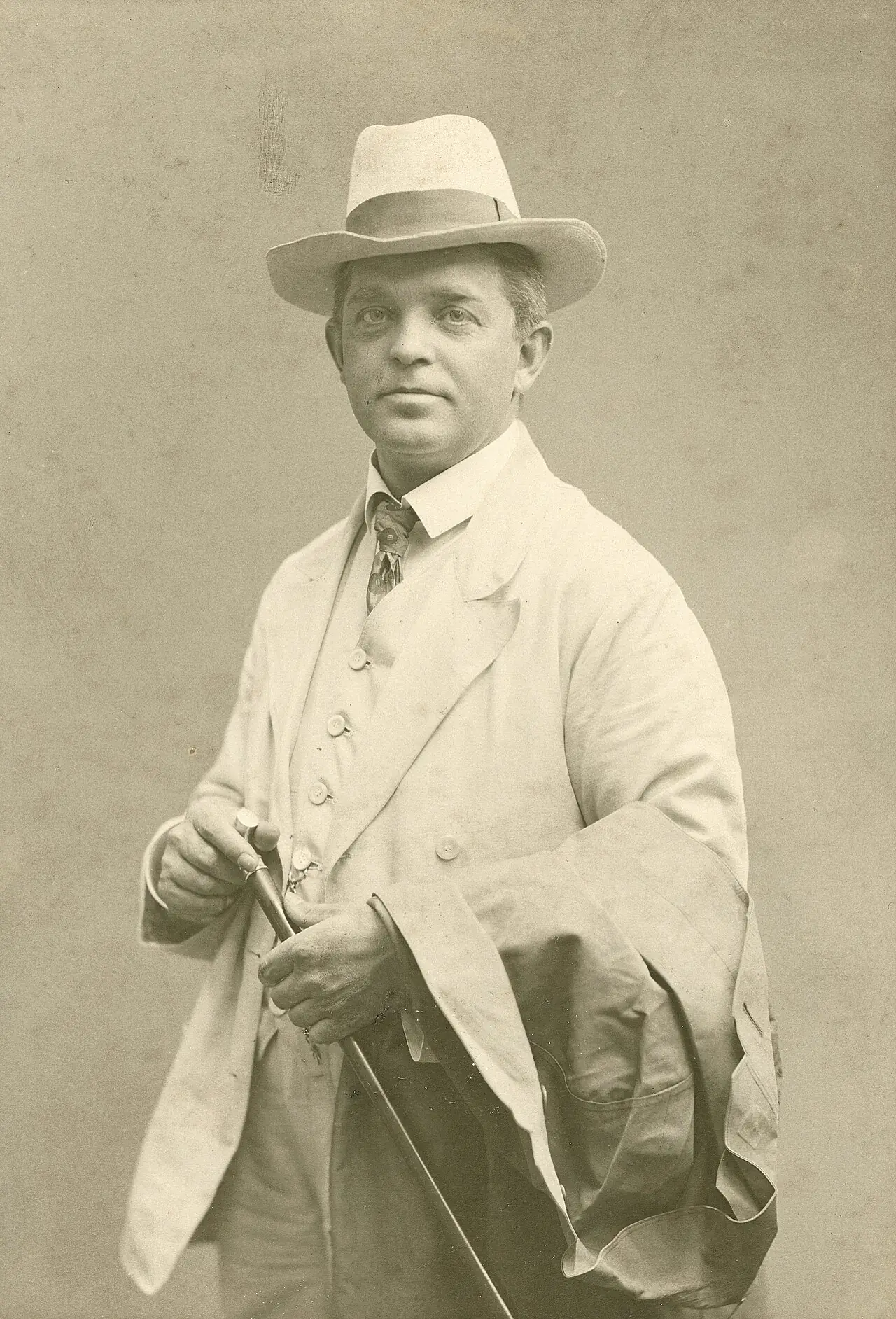
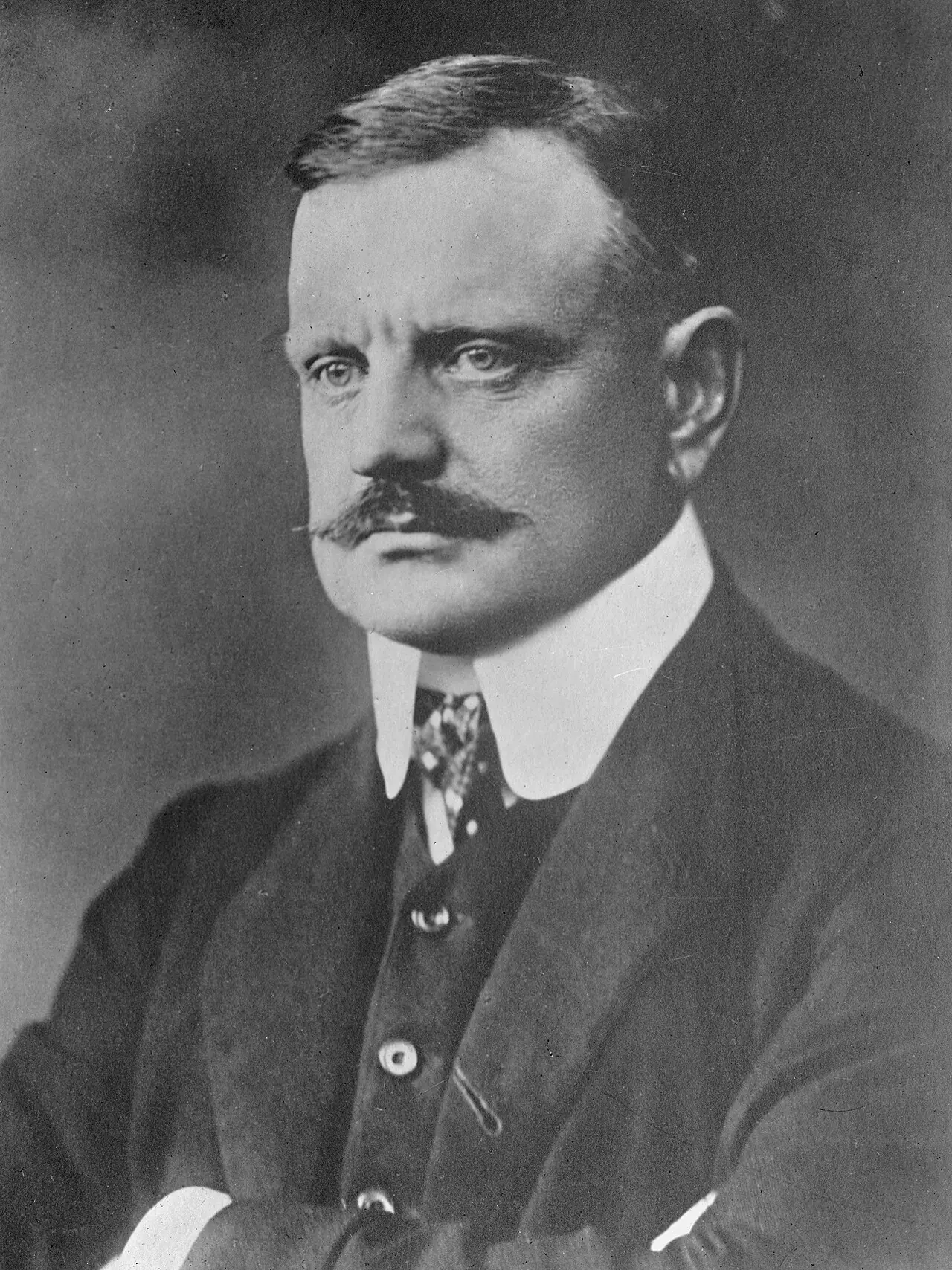
On 21 April 1915, Sibelius saw sixteen swans and wrote a theme in his diary: “One of the great experiences of my life! My God, what beauty!” The theme was used in the finale of his Fifth Symphony. There, after fast string writing, the horns play a broad, rocking figure, and a separate woodwind melody moves above it.
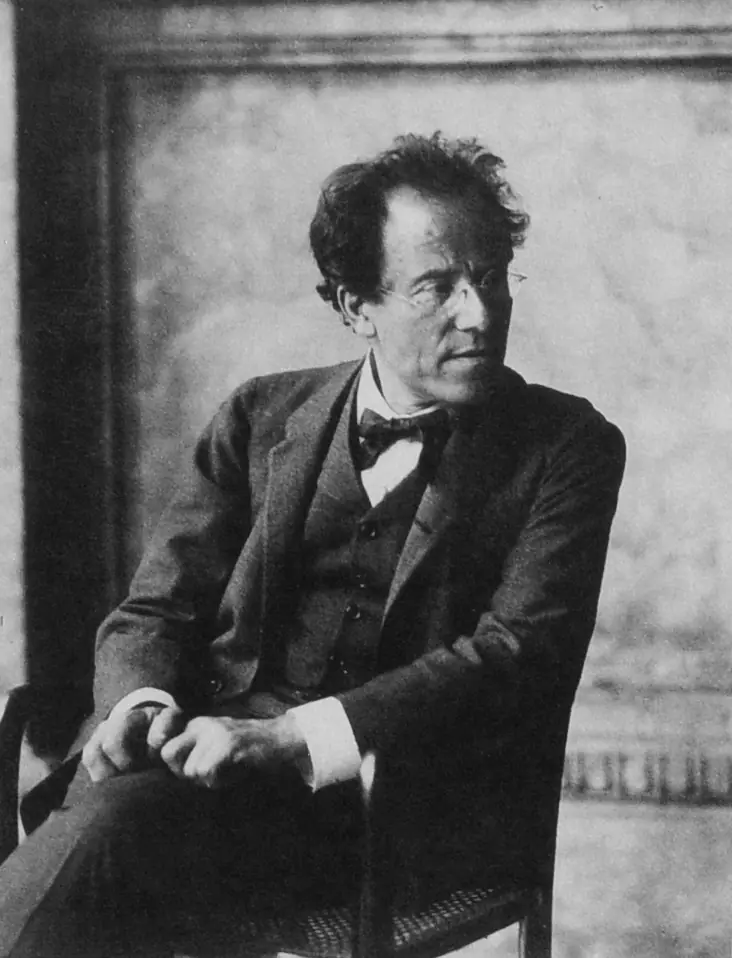
By this time a score could call on several sizes of the same instrument. A clarinettist might change to a bass clarinet; a fourth bassoon player could take up the contrabassoon. Mahler’s Third Symphony needs eight horns, two harpists and two timpanists, as well as women’s and children’s choruses. Its first movement opens with a horn call. The same score includes a minuet with a solo oboe.
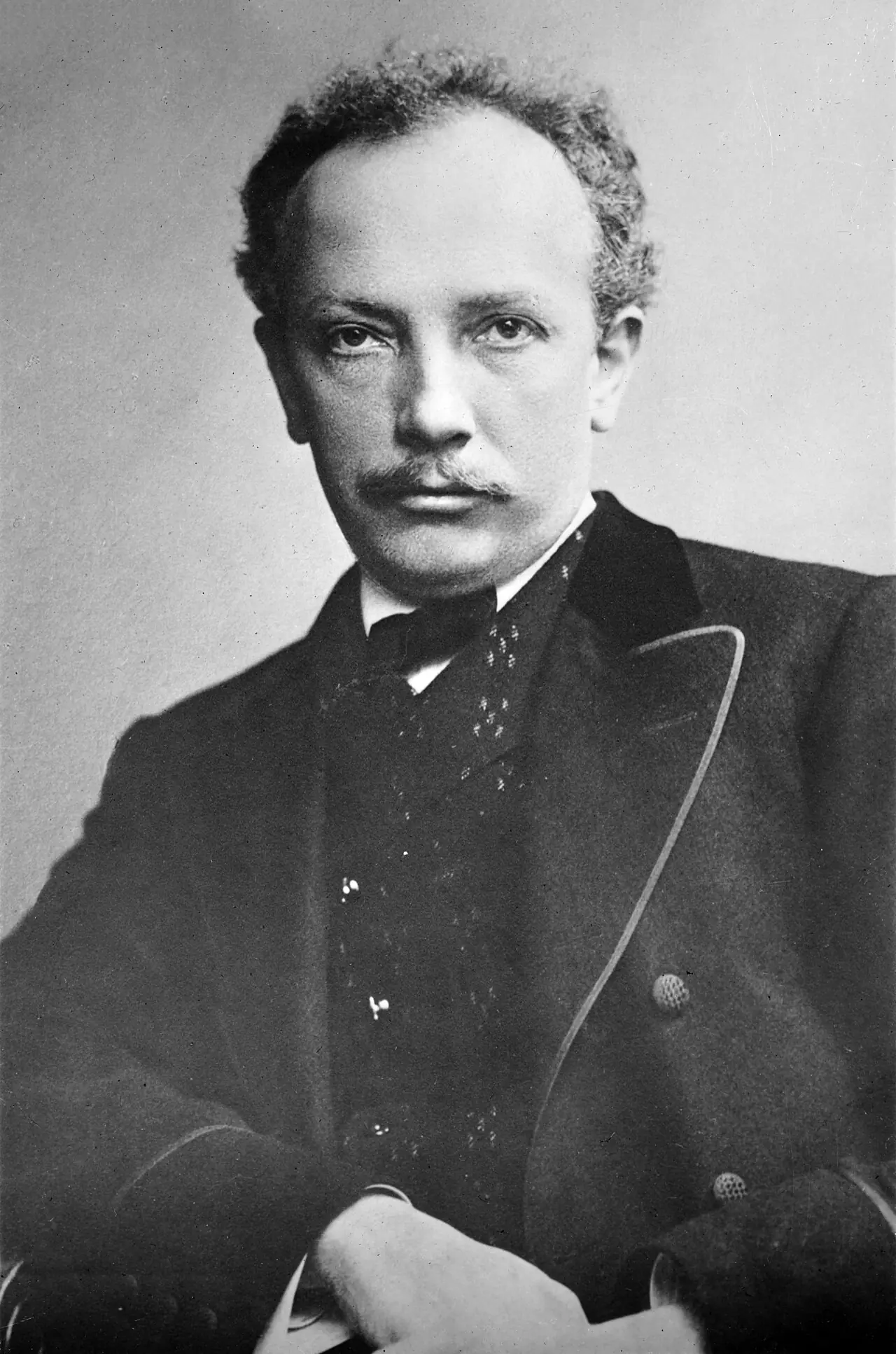
Strauss’s Don Quixote, composed in 1897, gives the knight to a solo cello and gives Sancho Panza parts for bass clarinet, tenor tuba and viola. In the second variation the knight attacks a flock of sheep, and the orchestra imitates their bleating. Later a wind machine depicts the rush of air during an imaginary flight on a wooden horse.
HarmonyCommon-tone modulation and unresolved keys
A chord can change its surroundings while keeping one note in place. In the example below, C major becomes A♭ major with C still sounding. A♭ can then be renamed G♯ and kept inside an E major chord. The bass moves through three major chords without a dominant–toniccadence. A melody can continue through the change while the bass makes the larger move.
Strauss left the keys unreconciled at the end of Also sprach Zarathustra. High woodwinds play B major more and more softly, while the basses return to C, the note on which the work began. The two keys stay a semitone apart.
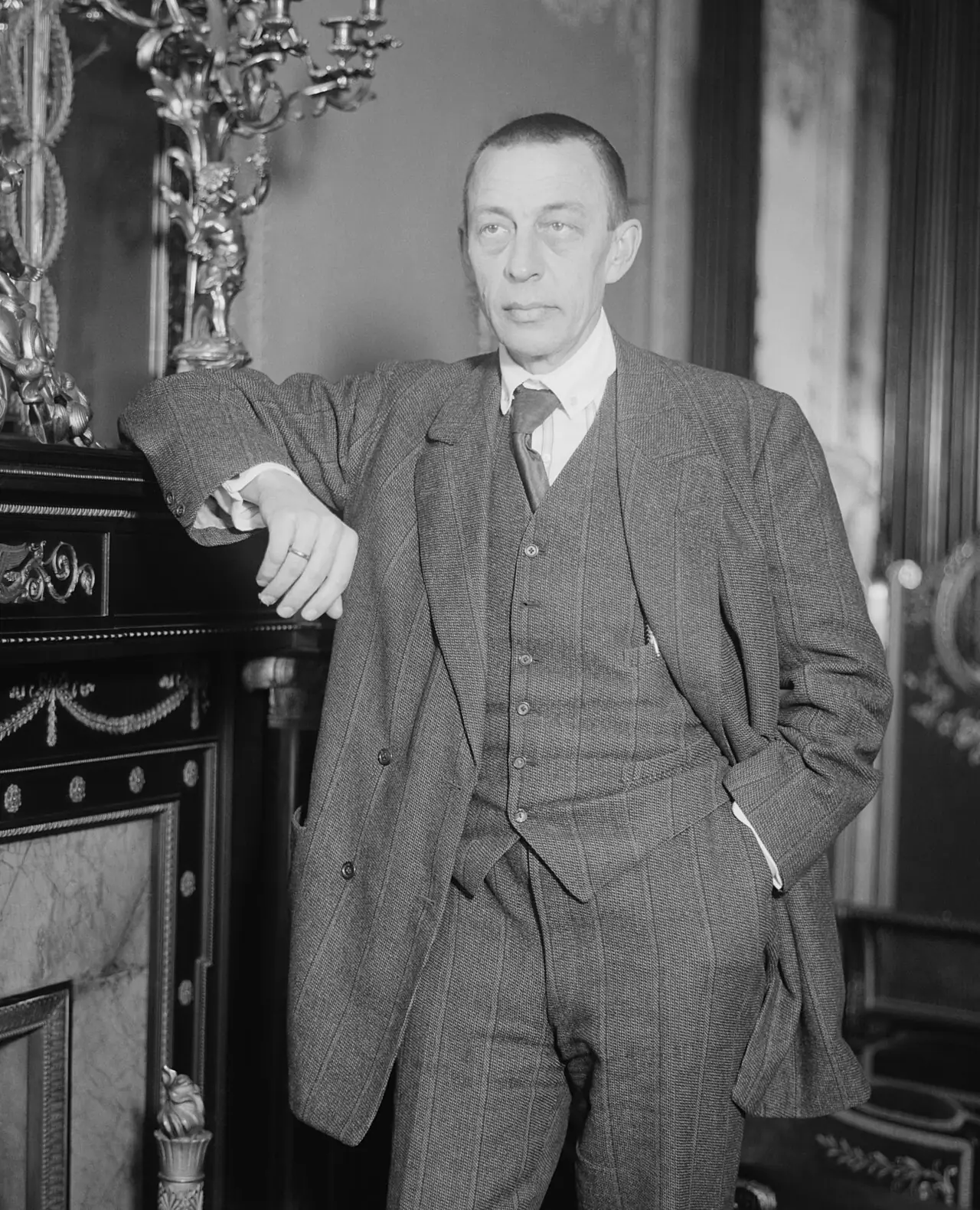
Rachmaninoff’s Second Piano Concerto begins with the piano alone, playing bell-like chords. When the orchestra’s C minor melody enters, the soloist plays an accompaniment beneath it. The piano can support a long orchestral phrase and still be clearly heard, because the hands move through the chords while the sustaining pedal keeps the low notes sounding. Later the piano has a melodic passage of its own.
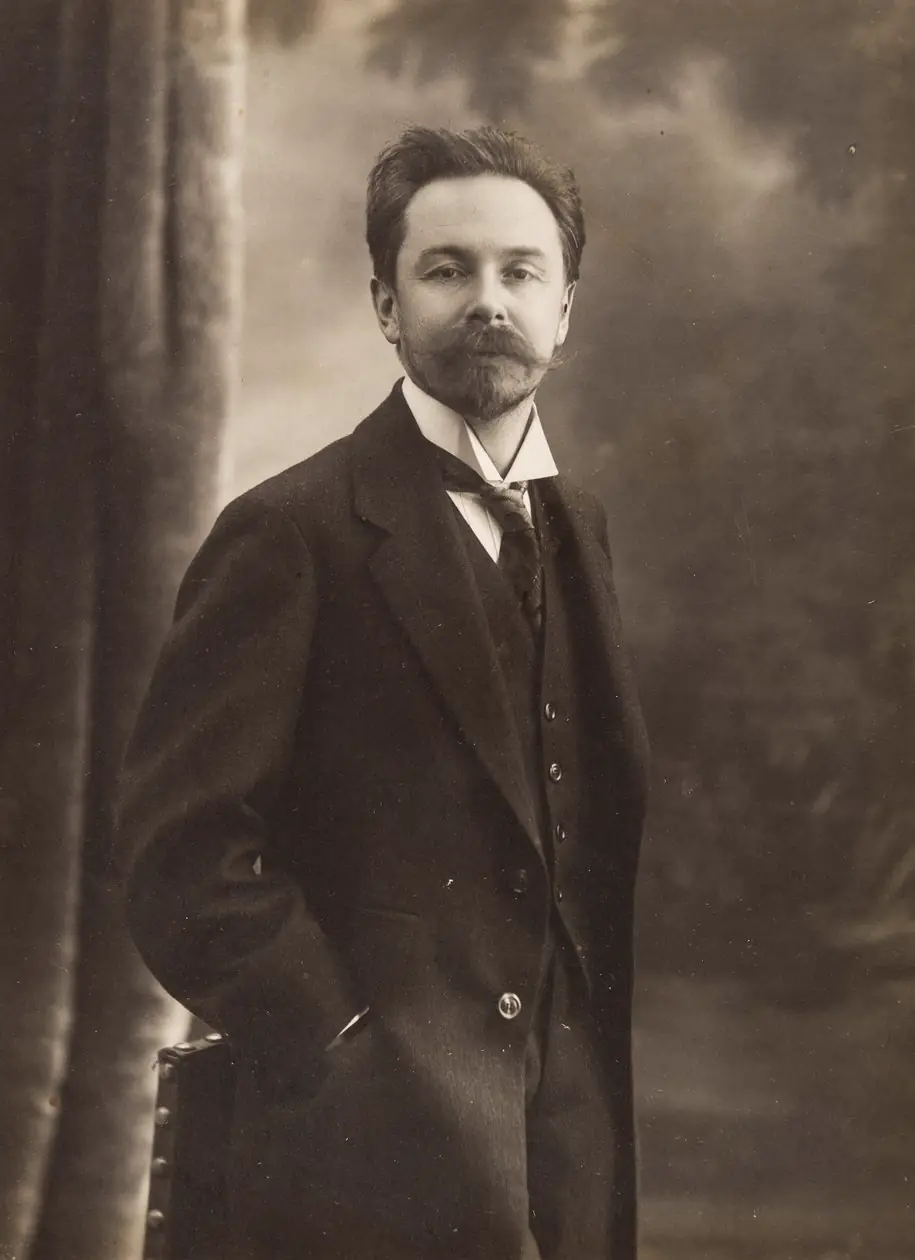
Scriabin wrote for a keyboard of another kind. His Prometheus: The Poem of Fire, composed in 1909–10, includes a part for a keyboard controlling coloured light. A solo piano plays with a large orchestra; near the end, a chorus can join, singing wordless vowels. The work ends on an F♯ major chord. At the Moscow première in 1911 Scriabin played the piano part, but the light part was not performed.
The human voiceSong, symphony, stage
In Mahler’s Das Lied von der Erde, written in 1908–09, two singers take turns through six movements with orchestra. The final farewell is built from short phrases, with stretches where the voice sings over very sparse accompaniment. At the end, the C major chord contains an added sixth, A, held in the flute and clarinet. The singer repeats “ewig”, forever, as the orchestra thins out.
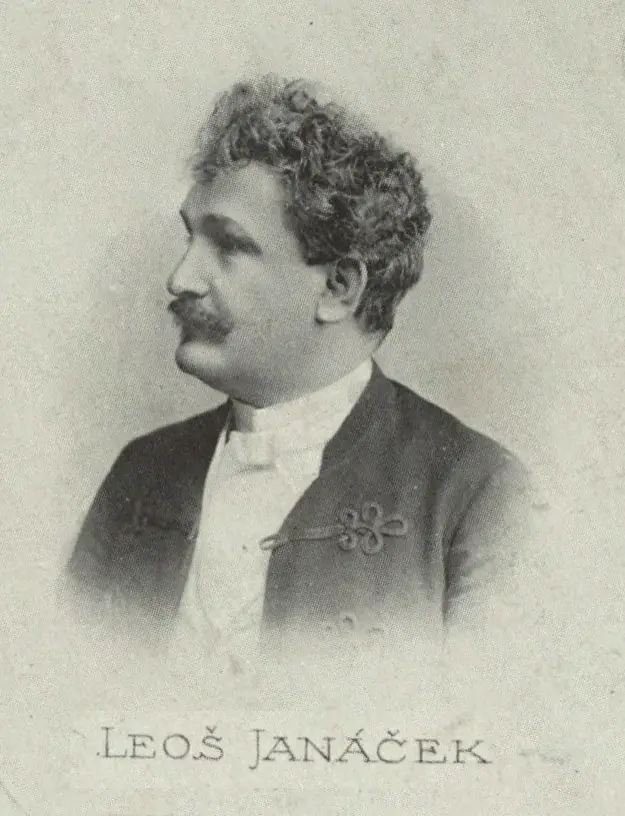
Janáček collected another sort of vocal music on the streets and on trains. From 1897 he wrote down fragments of speech in musical notation, often noting who had spoken, where, and in what circumstances. His opera Jenůfa, first performed in Brno in 1904, sets a prose play. Its short vocal phrases follow a remark as it changes from an ordinary one into an accusation. Repeated figures in the orchestra continue while a character struggles for the next words.
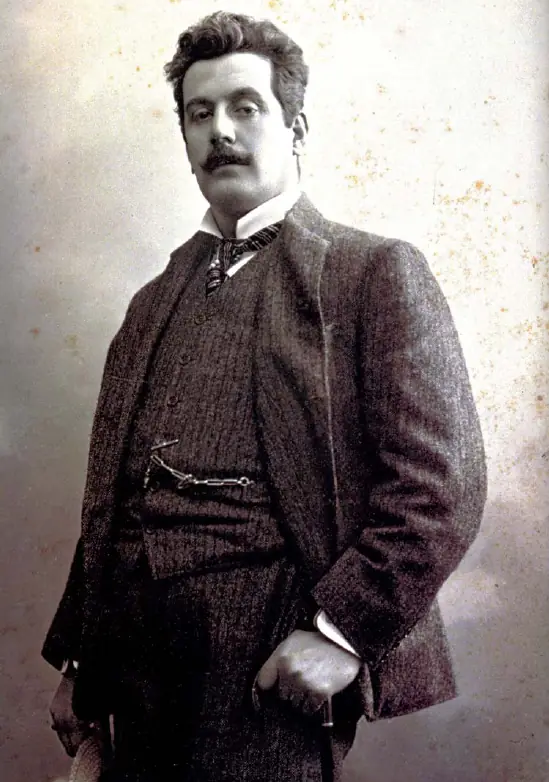
In Puccini’s Tosca Cavaradossi is to be executed, and Tosca believes the firing squad will only pretend to shoot him. While he waits for the execution, he sings E lucevan le stelle, recalling their nights together. The aria lasts a few minutes. When the stage action resumes, the firing squad shoots him with real bullets.
In the fourth movement of Mahler’s Third Symphony, an alto sings Nietzsche’s midnight song, asking what deep midnight says, over slow rocking notes in the orchestra. In the next movement, children imitate bells with “bimm, bamm”.
The institutionsTheatres, exhibitions and recordings
Getting a new opera into a theatre could take years. Prague turned down Jenůfa before its Brno première and went on rejecting it afterwards. The Prague production came in 1916, with changes made by the conductor Karel Kovařovic. Max Brod then translated the libretto into German and brought the opera to the attention of Universal Edition.
Vienna’s Secession exhibition of 1902 placed Beethoven at the centre of a room. Max Klinger supplied the sculpture; Klimt painted his Beethoven Frieze for a neighbouring wall. Twenty-one artists worked on the exhibition under Josef Hoffmann. Klimt’s figures pass through suffering towards an embrace and a choir of angels, following a reading of Beethoven’s Ninth.
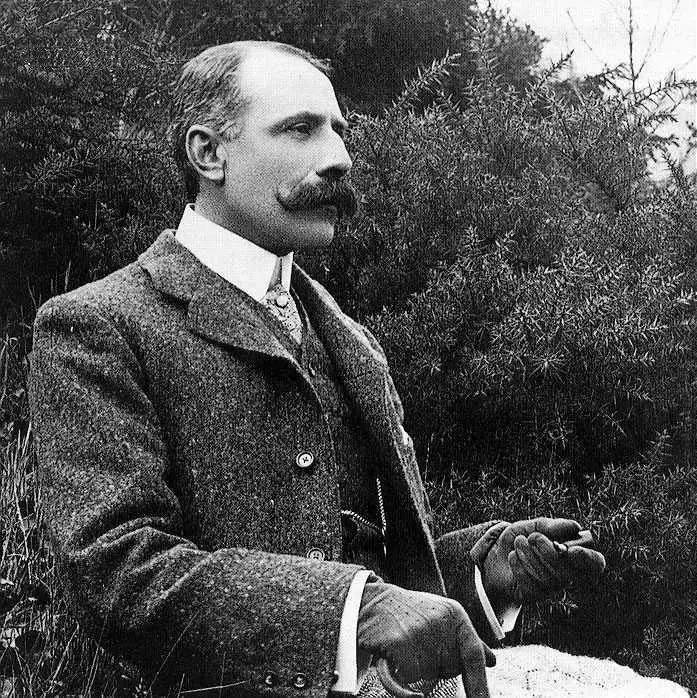
On 26 June 1914 Elgar conducted his first recording of Pomp and Circumstance No. 1. The ensemble was made up of about thirty musicians recruited from London orchestras. The march was cut to just over four minutes and began with its big trio tune. Customers could buy Elgar’s own performance on disc, with the music rearranged to fit it.
After the first performance of his Fifth Symphony, given on his fiftieth birthday in 1915, Sibelius returned to the work. He revised it twice and completed the final version in 1919. The swan theme was kept through both revisions. At the end the orchestra plays six separate chords with rests between them.
Terms of art
Progressive tonality
A plan in which a work begins in one key and ends in another. The final key is the goal of the work as a whole.
Orchestral song
A song for a solo voice accompanied by an orchestra. It may have been written for these forces or arranged from an earlier version for voice and piano.
Tone poem
An orchestral piece, usually in one continuous movement, written around a story, character, landscape or other stated subject. “Symphonic poem” means the same thing.
Enharmonic reinterpretation
Giving a note or chord a new role in the harmony by changing its spelling. G♯ and A♭ share a key on an equal-tempered piano, but their names describe different relationships to the notes around them.
Added sixth
A note a sixth above a chord’s root, included alongside the ordinary three notes of the chord. Adding A to C–E–G makes a C major chord with an added sixth.
Pedal point
A note held or repeated while the chords around it change. It usually lies in the bass and may clash with some of the passing harmonies.
Heterophony
Two or more versions of the same melody sounding together. One part may add ornaments or change the rhythm while another keeps the simpler tune.
In the score
Third-related harmonies · schematicComplete circuit without a dominant cadence
An invented circuit through C major, A♭ major and E major, then back to C. Each pair of chords shares a note: C first, then A♭ renamed G♯, then E. The roots divide the octave into major thirds.
Orchestral line · schematicMelody and ornamented version, side by side
An invented example of heterophony. The oboe plays G–A–G–E–D in long notes; the flute follows the same outline with extra notes between. Both end together on the final D.
Sister arts
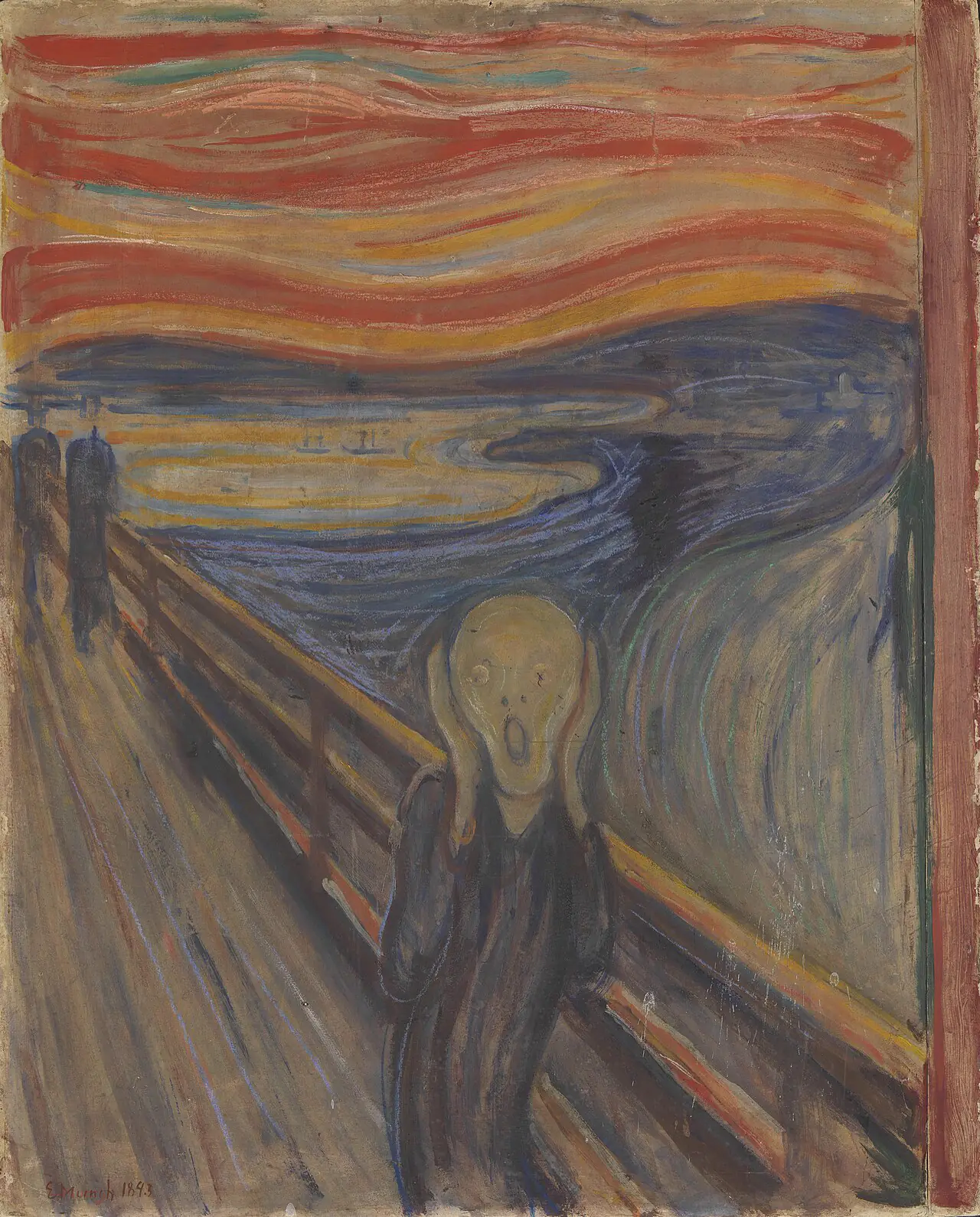
Edvard MunchThe Scream, 1893Tempera and grease crayon on cardboard · National Museum, Oslo
The figure presses its hands to its head while two companions walk away. Behind it, the sky and fjord bend into red and blue curves. In a notebook entry of 1892, Munch described a walk with two friends when the sky turned blood-red and he felt a scream passing through nature.
Friedrich Nietzsche
The midnight song from Also sprach Zarathustra
1884; repeated in Part IV, 1885
GermanO Mensch! Gib acht!
Was spricht die tiefe Mitternacht?
“Ich schlief, ich schlief —,
Aus tiefem Traum bin ich erwacht: —
Die Welt ist tief,
Und tiefer als der Tag gedacht.
Tief ist ihr Weh —,
Lust — tiefer noch als Herzeleid:
Weh spricht: Vergeh!
Doch alle Lust will Ewigkeit —,
— will tiefe, tiefe Ewigkeit!”
Our translationO human being, pay heed!
What does the deep midnight say?
“I slept, I slept —
From a deep dream I have awakened:
The world is deep,
Deeper than the day has thought.
Deep is its grief —
Delight is deeper still than heartache:
Grief says: Pass away!
But all delight desires eternity —
Desires deep, deep eternity!”
Mahler set these words for alto in the fourth movement of his Third Symphony. Strauss took chapter titles from the same book for Also sprach Zarathustra, composed in 1896; near its end, a bell strikes midnight. In Nietzsche’s text, the clock’s numbered strokes fall between the lines of the poem. They are omitted here.