Recording
- III. PrestoConstance Schoepflin, flute; Advent Chamber Orchestra · February 2008; programme dates 10 and 17 February6:07
Constance Schoepflin and the Advent Chamber Orchestra play the Presto finale of C. P. E. Bach’s Flute Concerto in G major, Wq 169 / H 445. The flute begins with the strings, then plays trills and long runs alone.
Listening notes · joins
- Opening of the Presto
The Presto begins with a short rising scale, clipped notes and a trill. Flute and strings share the tune, and the bass has running notes of its own. The dynamics switch quickly between piano and forte.
- First flute solo
In its first solo the flute plays the opening tune with a trill on the pickup G and a slur across the bar line. The strings accompany.
- Organ concerto arranged for flute
Bach first wrote this concerto for organ in 1755. To make a flute version, he raised low passages, changed others and left room for breathing.
- Court appointment, Charlottenburg, 1740
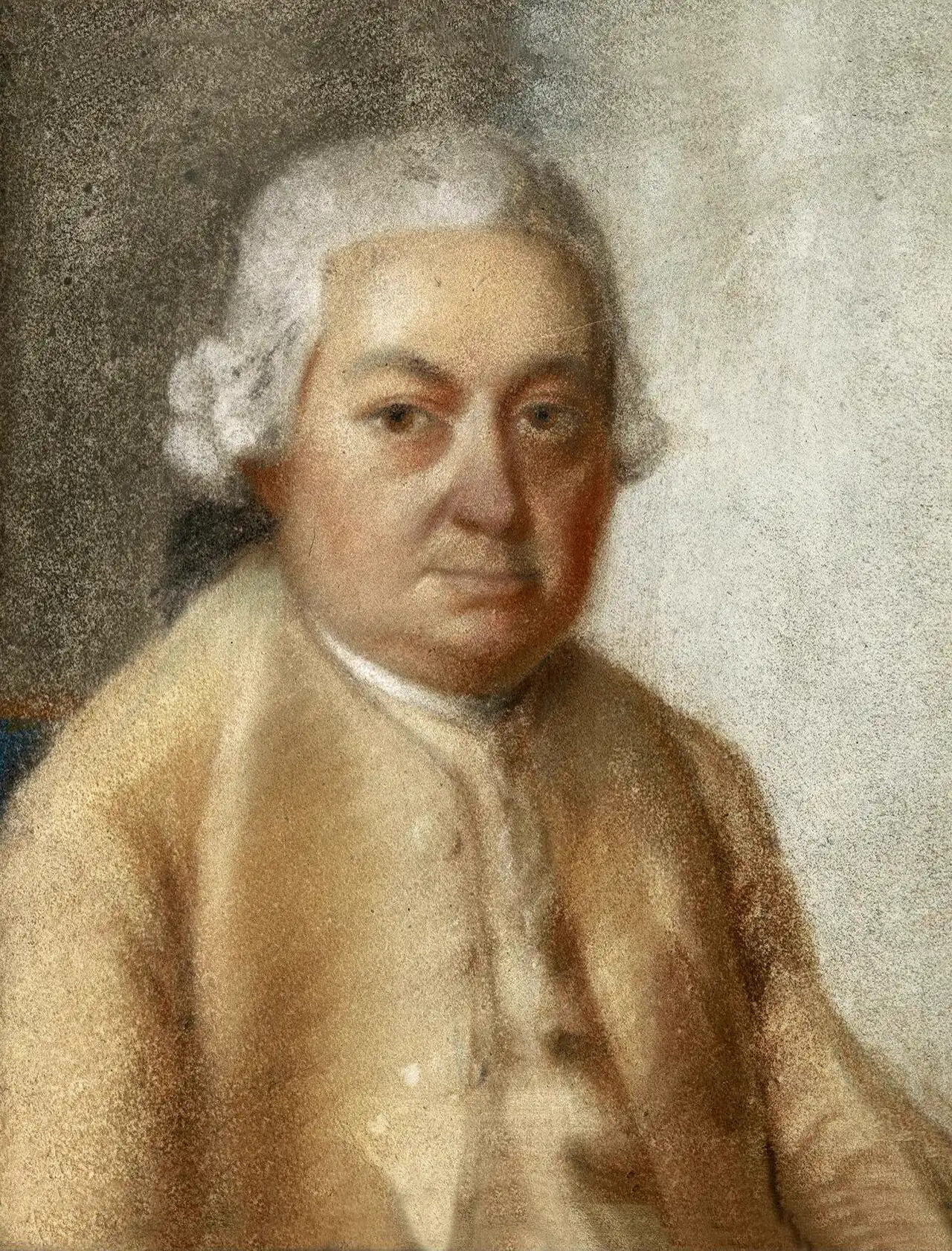
In 1740, at Charlottenburg, Bach accompanied Frederick II in his first flute solo after his accession. The king’s new harpsichordist was twenty-six. At the Prussian court, flute playing was part of his daily professional work.
- Manuscript P 769, Berlin
A copyist, identified by Kuijken as Anon. 303, wrote out the keyboard concerto and left the top staff empty. Bach filled it with a flute part in his own hand and then changed the accompaniment. The manuscript is in Berlin, Mus. ms. Bach P 769.
- Fermata, bar 236
The running flute line reaches a fermata in bar 236, holding G above D in the bass. The violins and viola rest. After the held note Bach writes a short turn and the descent to the returning tune at bar 237.
- Inserted orchestral bars, finale
Late in the finale, Bach inserted three bars that do not appear in the organ version. The flute rests while the strings play, and then the soloist starts another long run. Kuijken identifies these bars, 287–89 of the Presto, as a place for the flautist to breathe.
- Closing tutti
In the final tutti the flute plays the ensemble’s tune. Trills, slurred pairs and repeated high notes lead to the close, where flute, strings and bass end together on G major.
Joins
- Flute solo entry with trilled pickup
The opening ensemble passage closes in G major. In bars 47–50 the flute plays the rising theme alone, with a trill on the pickup G and a slur across the bar line. Strings and bass accompany more softly beneath it. The tempo remains Presto.
- Flute run halts over held D
The flute plays descending semiquavers above repeated D notes in the bass. The run stops at a fermata, where the flute holds G above the bass’s held D. The violins and viola rest. The figured bass marks a suspended fourth resolving to a third, and the G major theme then returns.
- From the fermata to the return
After the held D in the bass, a low G marks the return. The flute’s pickup leads into the opening scale, now shared with the violins. Viola and bass resume their moving parts under the forte ensemble. The metre stays in two-four and the tempo stays Presto.
- Flute and tutti in the final cadence
The solo flute’s running line is followed by a tutti, marked forte in the strings and bass. Slurred pairs and repeated high notes return from the opening. The bass moves through the closing phrases to a final D–G cadence, and the flute plays with the strings in the G major ending.