Préludes, Book I
6 min
Recording
- X. La cathédrale engloutieMarcelle Meyer · 19565:40
Marcelle Meyer plays La cathédrale engloutie, the tenth prelude in Book I of Debussy’s Préludes, about a drowned cathedral. Distant bells rise into a great C major organ, and the music then sinks beneath the water.
Listening notes · joins
- Opening, bars 1–6
G and D sound across the piano, a wide distance apart. Open fifths rise slowly through the middle register. Debussy marks the opening Profondément calme, deeply calm, with a further direction for a softly ringing mist, and the bass descends while the fifths continue to rise.
- Breton legend of Ys
In the Breton legend, the cathedral of Ys lies beneath the sea. On clear mornings it rises from the water, and bells toll, priests chant and the organ sounds before the building sinks again. Debussy printed its name only after the last bar.
- Move to B major, bars 14–19
The bass moves down from C to B. Under the rising chords the left hand begins triplets, and the harmony moves to B major. Debussy marks the passage Peu à peu sortant de la brume (little by little, emerging from the mist).
- Chordal passage over low C
The piano moves to a G dominant seventh, then sounds a low C beneath a series of full chords. The melody lies inside them, doubled in both hands. At bar 28 Debussy marks Sonore sans dureté (sonorous without harshness), even at fortissimo.
- Return of the chant, C♯ minor
The chords in C major stop. The chant of bars 7–13 returns in C♯ minor, low in the piano, above a held bass (bars 42–61). Debussy marks the passage “Un peu moins lent” and “dans une expression allant grandissant”, and the phrase rises towards a second great chordal crest.
- Paris Conservatoire admission, 1872
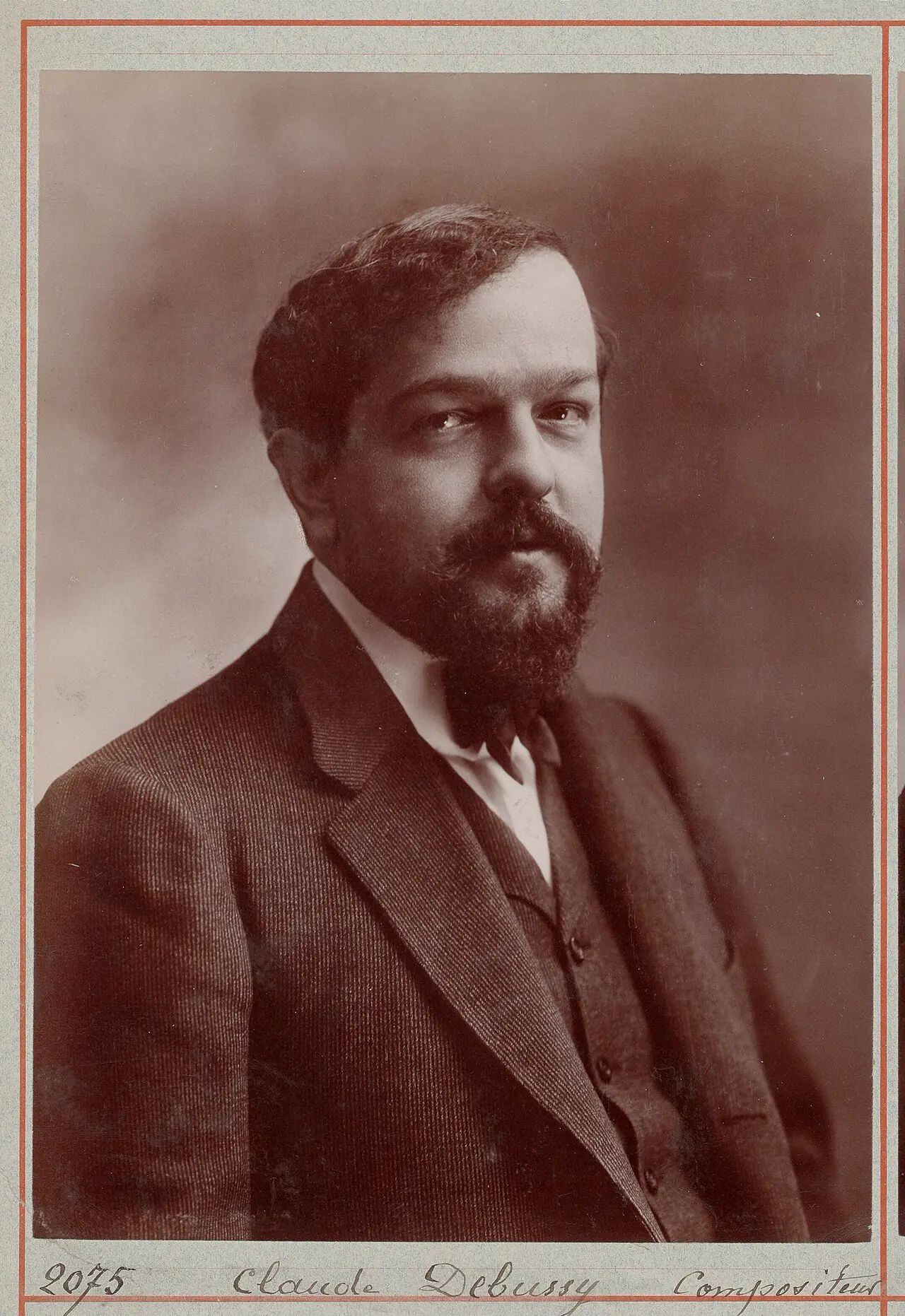
On 22 October 1872 Debussy, aged ten, played Moscheles for the jury and won a place at the Paris Conservatoire, one of thirty-three admitted from 157 applicants. In January 1874 his piano teacher Marmontel reported: “Charming child, true artistic temperament; will become a distinguished musician.”
- Return of the chordal theme
The broad C major tune returns pianissimo, lower on the keyboard, over rocking quavers. Debussy calls the melody an echo of the phrase heard earlier, and marks the bass flottant et sourd — floating and muffled.
- Closing bars in C major
The rocking bass stops. Rising fifths recall the opening, now over C. The last chord adds a D to the notes of C major.
Joins
- Bass moves from C to B
The rising fifths return over a low C. The bass then drops a semitone to B, and the left hand begins rolling triplets under the B major chords (bars 14–19). Debussy marks the passage as gradually emerging from the mist. The right hand repeats the upward shape of the opening.
- G dominant seventh to the organ’s low C
The rising figures move from B major through E♭ major to a G dominant seventh, and the left-hand triplets stop. After a broad preparation, a low C sounds beneath the fortissimo melody in parallel chords, played with both hands in the manner of an organist.
- The chant returns in C♯ minor
The organ-like chords thin out into widely spaced bell notes. From bar 47 C♯ minor replaces C major, and the chant first heard near the opening returns low in the piano over a held bass. The marking Un peu moins lent begins the next ascent.
- Parallel seventh chords to the C major echo
In bars 61–75 the second climax falls away through parallel seventh chords. A low quaver figure begins to oscillate in the bass, and the earlier C major melody returns above it, pianissimo. The tune now lies lower in the piano and is marked in the score as an echo.
- The rocking bass stops
The quaver accompaniment stops on a low C. The piano returns to the rising fifths of the opening, marked Dans la sonorité du début. Slow bell chords continue, and the final C major chord holds a D within it.
Other performances
Historical and comparison recordings, outside the concert’s running order.
- X. La cathédrale engloutieIvan Ilić, piano · April 2006, Paris5:25
Ivan Ilić plays La cathédrale engloutie, the tenth piece in Book I of Debussy’s Préludes. Bare fifths suggest bells, and a broad melody in C major is set in organ-like chords. The melody returns at the end.
Listening notes · joins
- Opening chord on G and D
The first chord contains only G and D, spread across the keyboard, with no third to make it major or minor. Rising fifths move through the middle of the piano while the outer notes are held.
- B major passage, left-hand triplets
The rising chords move into B major and take on sharps. Beneath them the left hand plays continuous triplets, which move more steadily than the bell figures of the opening. Debussy’s marking describes a slow emergence from the mist, and the piano texture builds towards the full sound of an organ.
- C major chordal statement
G dominant-seventh harmony prepares a broad C major statement in bars 22–41. Both hands play the tune in thick parallel chords above a low C, which is held in the bass. The marking is “Sonore sans dureté”.
- Return of the chant, C♯ minor
The full chords thin out to single bell notes. At bar 47 a quieter chant returns in C♯ minor, low in the piano, with a phrase first heard near the beginning. It rises and adds voices until, towards bar 61, both hands span the keyboard again.
- Debussy’s performance, Paris, 1910
On 25 May 1910 Debussy played this prelude himself at a Société musicale indépendante concert in Paris. He played it with three others from the first book, Danseuses de Delphes, Voiles and La danse de Puck.
- Return of the melody, bars 72–89
The melody returns lower and much softer. Quavers move back and forth underneath it, marked floating and muffled, while the chords above restate the earlier tune as an echo. At the close the quavers stop and the rising fifths of the opening return.
Joins
- Bass falls from C to B
In bars 14–19 the bass falls from C to B. The right hand continues its rising chords, now in B major, and left-hand triplets fill the spaces beneath them. Debussy marks the piano as gradually coming out of the mist.
- From G dominant seventh to C major
The ascent passes through E♭ major and reaches G dominant-seventh harmony. The triplets stop. A low C then supports the broad melody in parallel chords, fortissimo, with the tune doubled in both hands.
- Bell notes and the C♯ minor chant
The C major chords are followed by widely spaced bell notes (bars 42–53). The bass holds beneath a low C♯ minor chant, marked Un peu moins lent. Its phrase recalls the opening pages and rises again.
- Return of the full chords
Parallel seventh chords descend from the second crest (bars 61–75). A low rocking figure in quavers begins beneath them, and the C major tune returns pianissimo above it. Debussy places the chordal melody lower on the keyboard and calls it an echo.